What is Moroccan Hammam? Complete Guide — ZeroCare Pakistan
The 1,000-year-old skincare ritual now available in Pakistan — authentic Aker Fassi, Nila, Tabrima, Sidr, Rhassoul Clay & Argan Oil, sourced directly from Morocco.
Shop Hammam Collection
Order on WhatsApp
✓ Cash on Delivery
✓ Free Shipping above Rs.4,900
✓ 100% Authentic Moroccan
✓ Delivery across Pakistan in 2–4 days
The Moroccan hammam is one of the world's oldest and most complete skincare rituals — a full-body cleansing tradition practised across Morocco and North Africa for over 1,000 years. Unlike modern routines built on synthetic chemicals, the hammam relies entirely on natural ingredients harvested from Morocco's mountains, deserts, and forests.
At ZeroCare Pakistan, we've brought this ancient ritual to Pakistan — making authentic Moroccan hammam body care available nationwide for the first time, using the exact same ingredients used in Morocco's finest hammam spas.
Pakistan's Bestselling Hammam Products
 Moroccan Hammam Trio Combo
Rs.6,000
Order Now
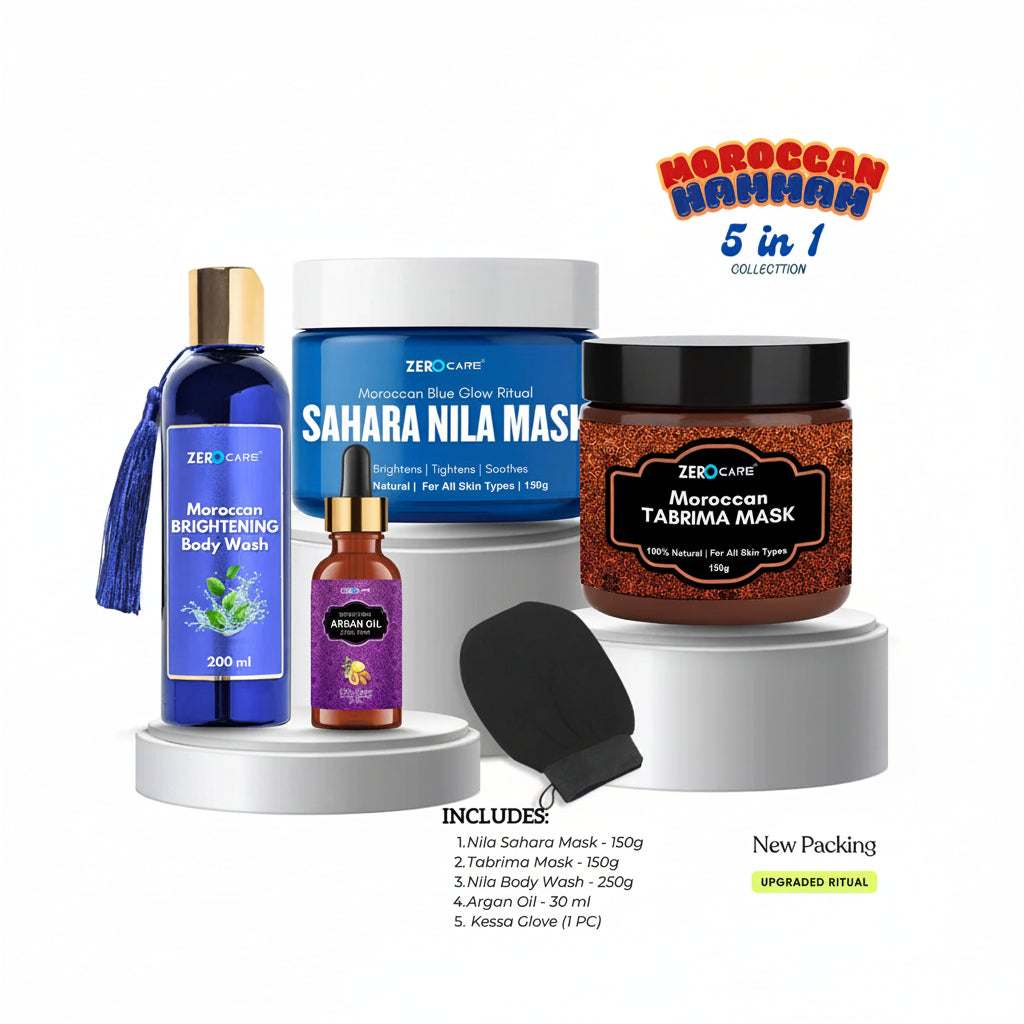
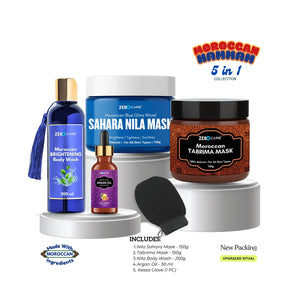 Hammam Glow Ritual 4-in-1
Rs.12,900Rs.6,450
Order Now
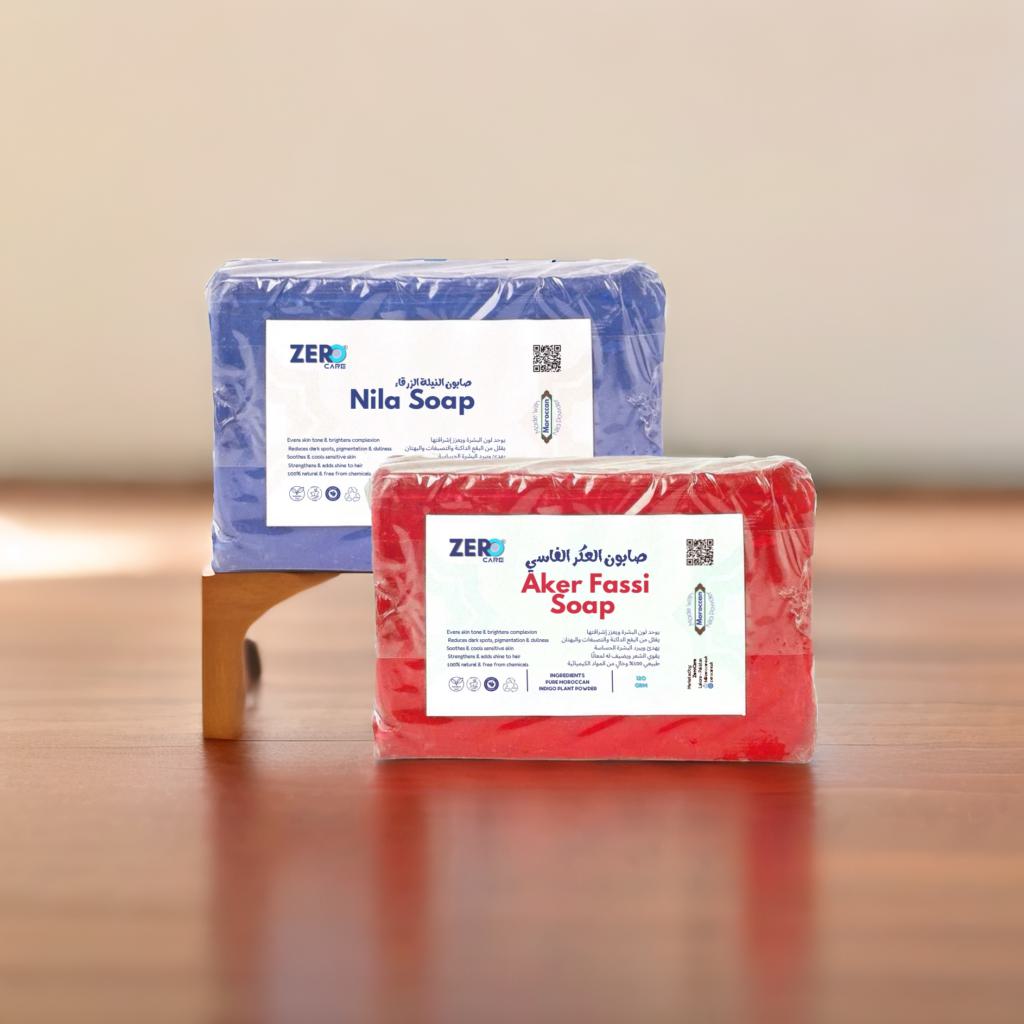
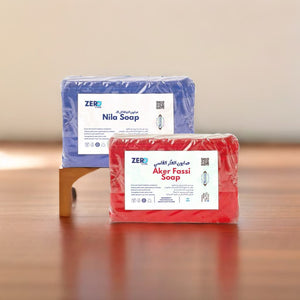 Aker Fassi & Nila Soap Bar
Rs.3,500Rs.1,750
Order Now
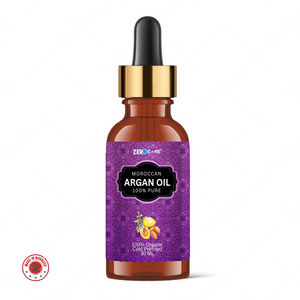 Moroccan Argan Oil 30ml
Rs.4,500Rs.2,250
Order Now
The History of the Moroccan Hammam
The word hammam comes from Arabic, meaning "spreader of warmth." Originating in the Roman bathing tradition and refined through centuries of Islamic culture, the hammam became the centrepiece of social and personal hygiene across the Arab world. In Morocco, it evolved into a deeply ritualistic practice — a weekly full-body treatment combining steam, exfoliation, cleansing, and moisturising using locally sourced natural ingredients.
Today the hammam ritual is practised worldwide for its unmatched ability to deeply cleanse pores, remove dead skin cells, improve circulation, and leave skin visibly brighter, softer, and healthier.
The 6 Key Ingredients of the Moroccan Hammam Ritual
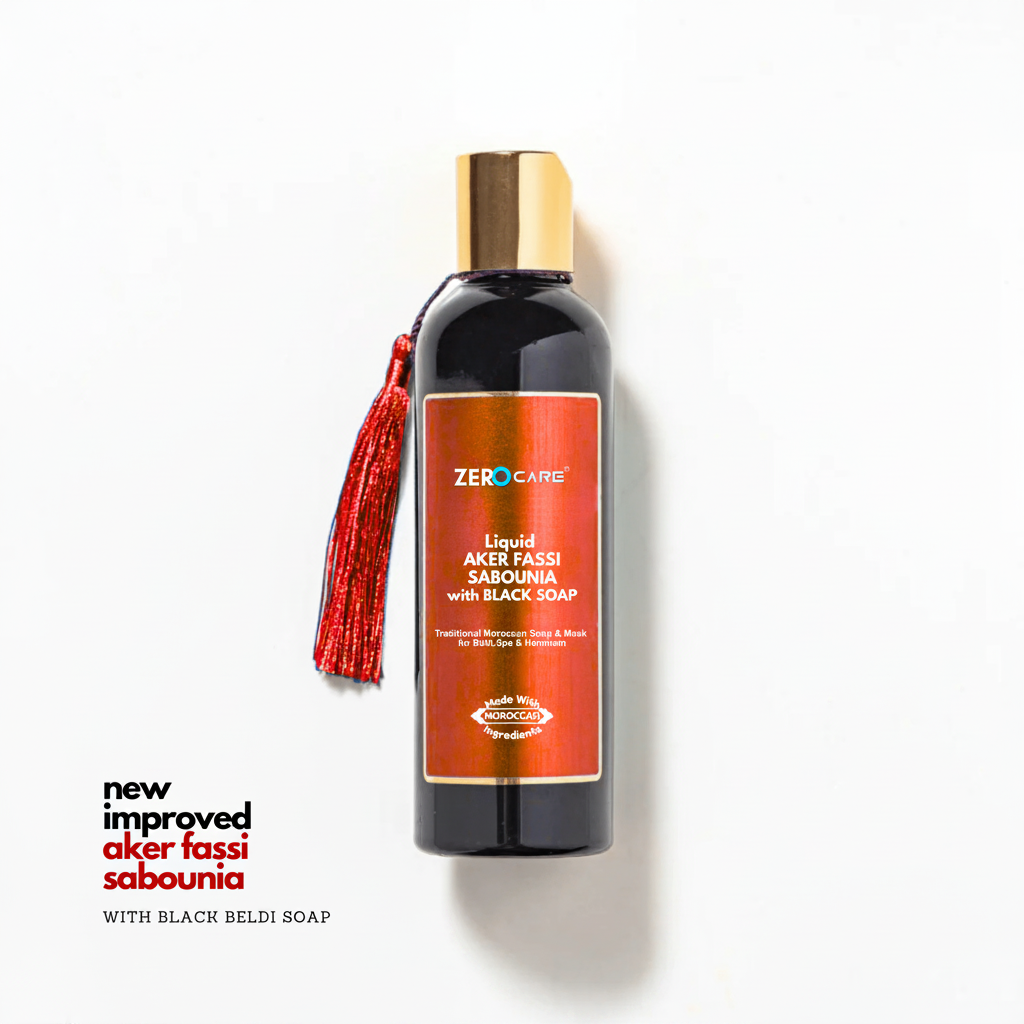
Aker Fassi عاكر فاسي — Pomegranate & Poppy
A traditional Moroccan powder made from dried pomegranate skin and red poppy petals. Aker Fassi has been used for centuries as a natural lip and cheek tint, but its real power lies in skincare — rich in antioxidants, it tightens pores, reduces redness, and gives skin a natural rosy glow. Ideal for Pakistani skin that needs radiance without harsh chemicals.
→ Shop Liquid Aker Fassi
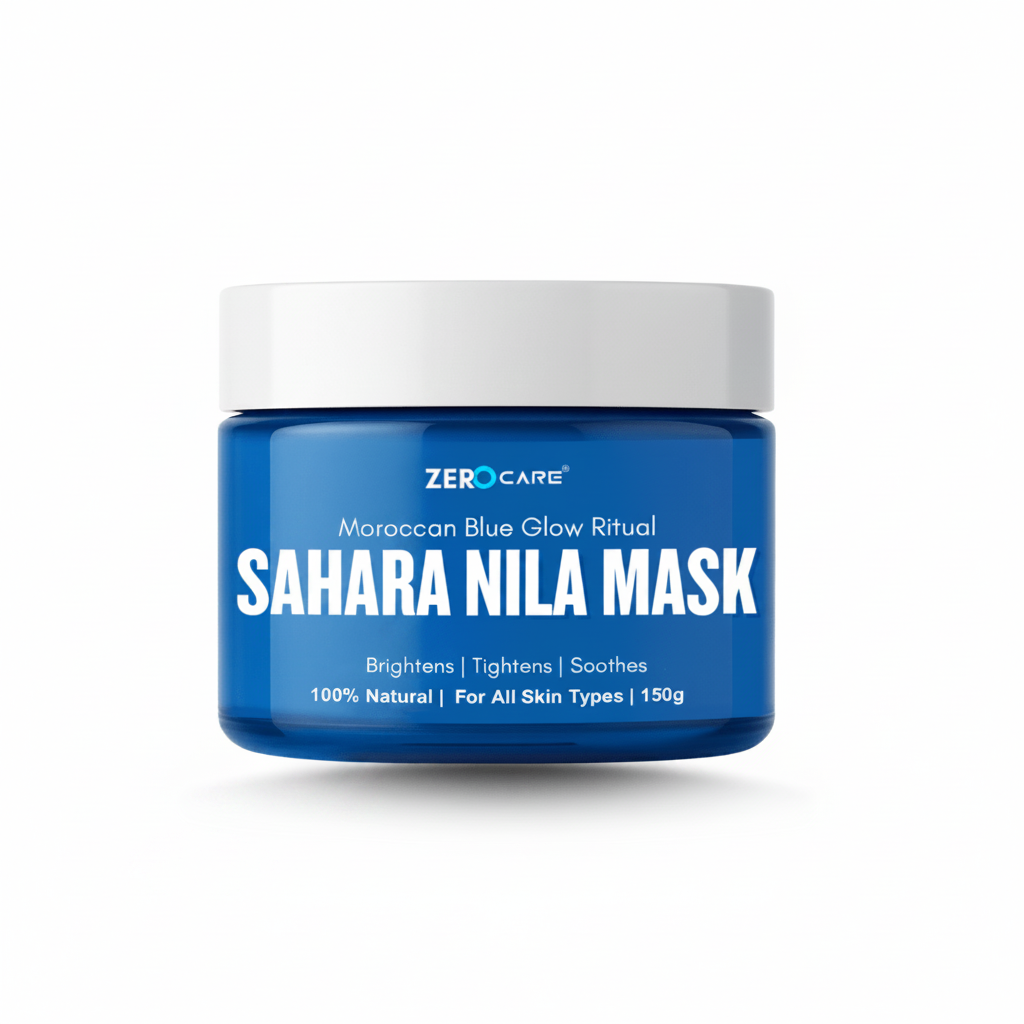
Nila Powder النيلة — Moroccan Indigo
Nila is natural indigo powder, used in Moroccan hammams for generations to soothe irritated skin, reduce inflammation, and treat conditions like eczema and psoriasis. Its antibacterial and antifungal properties make it especially effective in Pakistan's humid climate, where skin infections and irritation are common.
→ Shop Sahara Nila Mask
Tabrima Powder التبريمة — Moroccan Brightening Clay
Tabrima is a rare Moroccan brightening powder blended with other hammam ingredients to enhance skin tone and even out pigmentation. Works as a gentle brightener and exfoliant — particularly effective for hyperpigmentation, a common concern across Pakistani skin tones.
→ Shop Tabrima products
Sidr Powder السدر — Lote Tree Leaf
Sidr (Ziziphus lotus) is the dried and ground leaf of the lote tree — one of the most revered plants in Islamic tradition. A natural cleanser, conditioner, and antimicrobial treatment for both skin and hair. Especially popular in Pakistan where hard water causes scalp dryness and hair fall.
→ Shop Sidr products
Rhassoul Clay الغسول — Atlas Mountain Clay
Mined from the Atlas Mountains of Morocco, rhassoul clay is the cornerstone of the hammam ritual. Rich in silica, magnesium, potassium, and calcium, it absorbs excess oil, draws out impurities, and improves skin texture without stripping natural moisture. Skin feels noticeably softer after a single use.
→ Shop Rhassoul Clay products
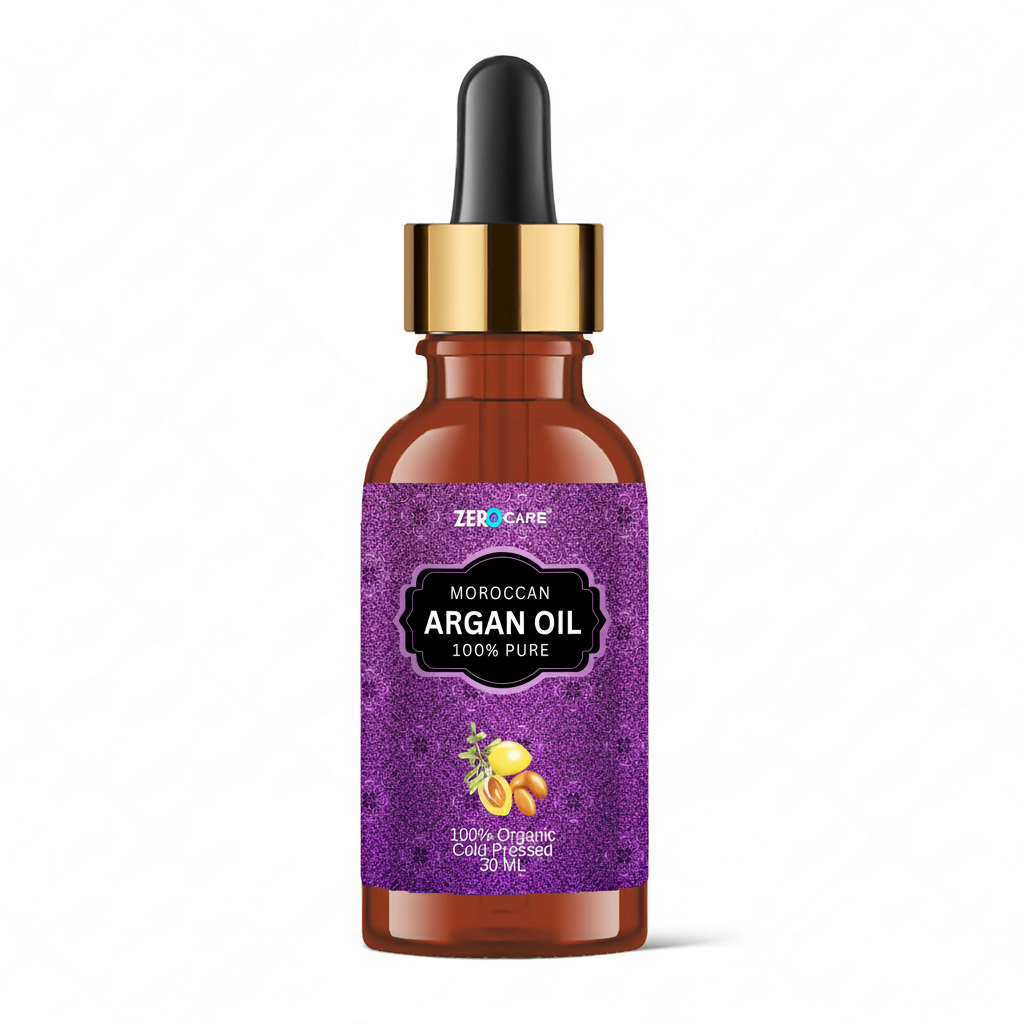
Argan Oil زيت الأركان — Liquid Gold of Morocco
Called "liquid gold" across Morocco, argan oil is cold-pressed from the kernels of the argan tree — found only in southwestern Morocco. Exceptionally rich in Vitamin E, essential fatty acids, and antioxidants. Applied after the hammam scrub when pores are open, it penetrates deeply to restore moisture and give skin a healthy natural glow. ZeroCare uses only 100% pure, cold-pressed Moroccan argan oil.
→ Shop Argan Oil 30ml
How the Moroccan Hammam Ritual Works — Step by Step
1
Steam & SoftenOpen your pores with warm water or steam for 5–10 minutes. This prepares skin for deep cleansing.
2
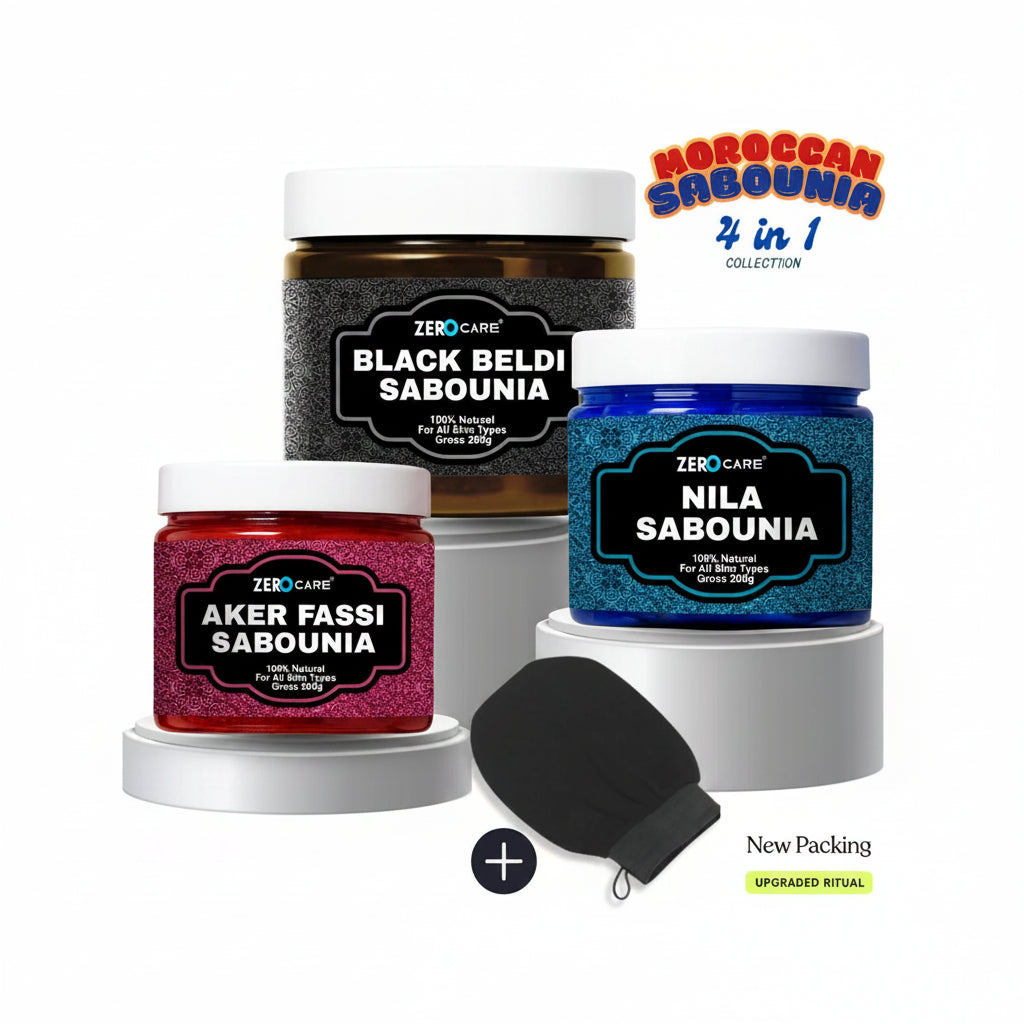
Black Soap (Beldi) ApplicationApply ZeroCare Moroccan
black soap to damp skin and leave for 3–5 minutes. It softens dead skin and prepares it for exfoliation.
3
Kessa ExfoliationUsing a kessa glove, scrub skin in firm circular motions. Dead skin cells visibly lift off — this is the most satisfying step of the ritual.
4
Rhassoul or Sidr CleanseApply
rhassoul clay or Sidr paste to draw out remaining impurities and deeply cleanse pores.
5
RinseRinse thoroughly with warm then cool water to close pores.
6
Argan Oil NourishWhile skin is still slightly damp, apply ZeroCare
argan oil to lock in moisture. This is when skin absorbs the most — pores are clean and open.
What Pakistani Customers Are Saying
★★★★★
"Honestly the best skincare investment I've made. My skin feels softer after just one ritual. The Aker Fassi gives such a natural rosy glow."— Ayesha K., Lahore
★★★★★
"I had tried so many bleach creams for pigmentation. Nila and Tabrima actually worked — without any harsh chemicals. Highly recommend."— Sana M., Karachi
★★★★★
"Argan oil quality is amazing — you can tell it's pure. Delivery to Islamabad was super fast, came in 3 days with COD."— Bilal A., Islamabad
Why the Moroccan Hammam is Perfect for Pakistani Skin
Pakistan's climate — high humidity, heat, dust, and pollution — creates specific skin challenges: clogged pores, uneven tone, dullness, and excess oil. The Moroccan hammam ritual addresses every one of these concerns using natural ingredients refined over a thousand years. No synthetic chemicals, no harsh peels — just nature's most effective skincare system, now available in Pakistan through ZeroCare.
Frequently Asked Questions
What is Tabrima powder and how is it used?
Tabrima is a rare Moroccan brightening powder traditionally blended with other hammam ingredients to even out skin tone and reduce hyperpigmentation. To use, mix one teaspoon of Tabrima with rose water or yoghurt into a paste, apply to clean skin, leave for 10–15 minutes, then rinse. It works as a gentle natural brightener without bleaching agents — ideal for Pakistani skin tones prone to uneven pigmentation. Use 1–2 times per week.
What is Rhassoul Clay and what are its benefits?
Rhassoul Clay is a mineral-rich clay mined from the Atlas Mountains of Morocco. It is naturally rich in silica, magnesium, potassium, and calcium. Its benefits include drawing out impurities and excess oil from pores, gently exfoliating dead skin, improving skin elasticity, reducing dryness and flakiness, and clarifying the scalp and conditioning hair. Unlike most clays, Rhassoul does not strip the skin's natural moisture, making it safe for daily use.
Can I do a Moroccan hammam at home in Pakistan?
Yes — ZeroCare's Hammam Glow Ritual and Hammam Trio bring the authentic Moroccan hammam experience to your bathroom in Pakistan. You need warm water, ZeroCare's black soap (Sabounia), a kessa exfoliating glove, rhassoul clay, and argan oil. Follow the 6-step ritual on this page. The full experience takes 30–45 minutes and gives spa-quality results at home without travelling to a salon.
How often should I do the Moroccan hammam ritual?
Once a week is ideal for most skin types. This gives the skin time to renew between rituals and prevents over-exfoliation. People with very sensitive skin should start with once every 2 weeks. People in high-pollution cities like Karachi or Lahore can do it weekly because of higher dust and grime exposure. Individual products like argan oil and Aker Fassi can be used daily as part of your regular routine.
Are ZeroCare products halal?
Yes. All ZeroCare hammam products are 100% halal. They are made from plant-based and mineral ingredients only — pomegranate skin, poppy petals, indigo plant, lote tree leaves, mountain clay, and cold-pressed argan kernels. There are no alcohol-based ingredients, no animal-derived components, and no haram substances of any kind. Suitable for Muslim customers across Pakistan.
What's the difference between Nila and Aker Fassi?
Nila and Aker Fassi serve different purposes in the hammam ritual. Nila (Moroccan Indigo) is a calming, anti-inflammatory powder used to soothe irritated skin, treat eczema, and fight acne — its colour is deep blue and it has antibacterial properties. Aker Fassi (Pomegranate & Poppy) is a brightening powder used to tighten pores, reduce redness, and give skin a natural rosy glow — its colour is red. In short: use Nila for irritated, acne-prone, or inflamed skin; use Aker Fassi for dull, uneven, or tired-looking skin. Many customers use both — Nila first, Aker Fassi after — for the full effect.